
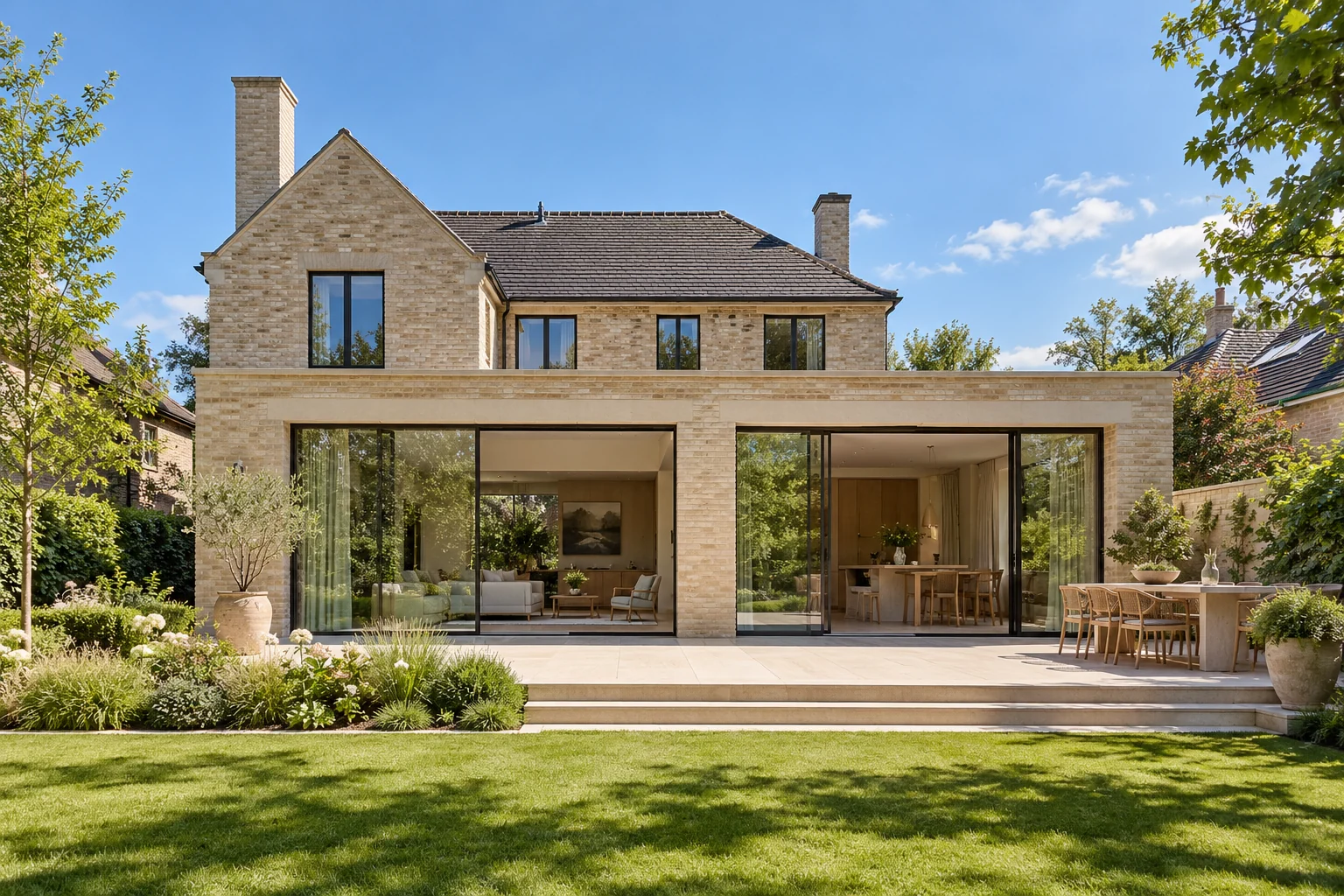
A situation to test your plan against
Combining maintenance and comfort improvements should avoid reopening new finishes later. List known defects, desired improvements and items still needing investigation together. Not every item needs the same phase.
What this work involves
Record location, timing and conditions. Distinguish possible leakage, condensation and building-related causes.
- Investigation and measurements
- Source correction
- Drying and finish repairs
Address the established cause before making good visible consequences.
Decide this before construction
Address assessed causes of defects before new finishes conceal them. Plan comfort measures together with ventilation and necessary access to building services.
Allow for later maintenance
Update the maintenance record after each phase. Keep photographs of concealed elements and note which investigation questions remain open.
How to review the result
Check both completed work and preparations for the next phase. Record which connections are deliberately temporary and when they will be reassessed.
Compare the complete intervention
Request both direct costs and temporary provisions for each phase. Include additional removal and reinstatement when phasing otherwise appears cheaper than one coordinated intervention.
Cost factors for this service
Costs depend on investigation scope, cause, access and reinstatement. Ask for the scope and selected specification to be described separately.
Bring this to the discussion
Photographs of the existing situation, available drawings and your requirements for damp investigation & treatment. Identify the elements that should remain.
Questions about the work
What should I discuss before arranging damp investigation & treatment?
Address the moisture source first. New paint or cladding does not replace a supported diagnosis.
When does phased renovation make sense?
When phases can be separated technically and practically. Assess their dependencies first; repeatedly reopening new finishes can cancel an apparent saving.
The design situations here illustrate choices; they are not completed projects or a diagnosis of your property.