
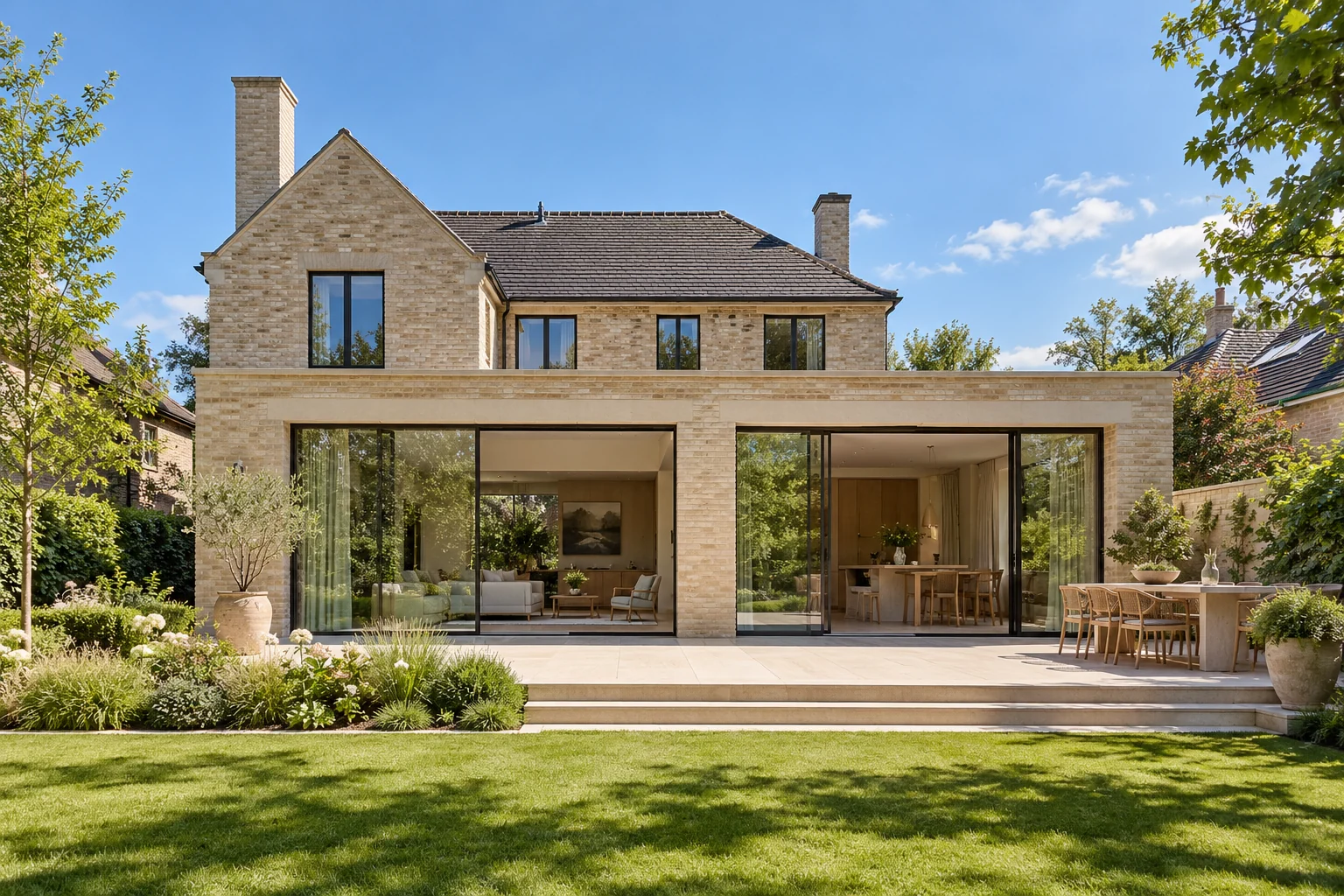
A situation to test your plan against
Combining maintenance and comfort improvements should avoid reopening new finishes later. List known defects, desired improvements and items still needing investigation together. Not every item needs the same phase.
What this work involves
Begin with a survey. Separate necessary repairs from lifestyle changes and cosmetic improvements. This shows what must happen first and what can follow without reopening completed work.
- Structure and building envelope
- Layout and everyday use
- Electrical, water, heating and ventilation systems
- Insulation and connections
- Finishes and phased occupation
Divide renovation along real technical boundaries rather than rooms alone.
Decide this before construction
Address assessed causes of defects before new finishes conceal them. Plan comfort measures together with ventilation and necessary access to building services.
Which trade-off matters?
A complete approach can improve coordination, while phased work spreads the budget. Compare which junctions would need reworking after a delay and which elements can be completed independently.
Compare the complete intervention
Request both direct costs and temporary provisions for each phase. Include additional removal and reinstatement when phasing otherwise appears cheaper than one coordinated intervention.
How to review the result
Check both completed work and preparations for the next phase. Record which connections are deliberately temporary and when they will be reassessed.
Cost factors for this service
Building condition and the extent of structural or installation changes matter more than floor area alone. Identify items that may only become visible once opened.
Bring this to the discussion
Room photographs, a floor plan, known defects and a distinction between essential work and wishes.
Questions about the work
Can renovation happen in stages?
Often, but coordinate the whole plan first. Pipework, floor heights and insulation can affect several stages. Good sequencing avoids reopening finished work.
When does phased renovation make sense?
When phases can be separated technically and practically. Assess their dependencies first; repeatedly reopening new finishes can cancel an apparent saving.
The design situations here illustrate choices; they are not completed projects or a diagnosis of your property.